From the Show Floor: What We Learned at Petfood Forum 2026
There’s always a certain energy at Petfood Forum, and this year in Kansas City didn’t disappoint. From the moment the doors opened, it was clear the industry is evolving fast, with rising expectations around quality, functionality, and efficiency shaping every conversation.
For us at Biocatalysts, the event wasn’t just about showcasing what we do, it was about understanding where we can make the biggest difference. As an enzyme manufacturer, we see a clear role for enzyme solutions in helping customers respond to these trends in practical, scalable ways.
Here’s what stood out:
Palatability Is Still the First Hook
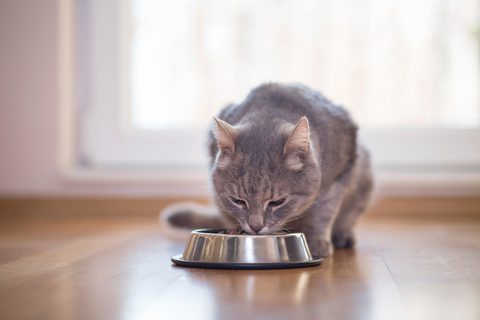
Palatants were a major draw to our booth, with strong engagement from international visitors. Improving taste and aroma remains a top priority, and enzymes play a powerful role here. By breaking down proteins into flavour-active peptides, enzymatic hydrolysis can help create more appealing taste profiles, enhancing palatability without the need for artificial additives. It’s a natural, label-friendly way to deliver on what pets (and their owners) expect.

Texture Is Moving Up the Agenda
Texture and mouthfeel are becoming key differentiators, with hydrocolloids being a major talking point across the show. Enzymes can support this space by modifying proteins and carbohydrates to influence structure, viscosity, and water retention. Whether it’s improving softness in treats or achieving the perfect crunch in dry food, enzyme solutions can fine-tune texture while maintaining processing efficiency. This is an area where combining enzymes with application expertise can unlock real value.

Closing the Gap Between Pet Food and Human Food
As regulatory expectations tighten and products move closer to “human-grade” standards, manufacturers are under increasing pressure to deliver both performance and compliance. Enzymes offer a clean-label approach to formulation which helps reduce reliance on chemical processing aids while improving digestibility and consistency. Our experience in food-grade enzyme production also means we’re well positioned to support customers navigating more stringent requirements.
Probiotics Remain Front and Centre
Probiotics were highly visible at the event, reflecting continued focus on gut health. Enzymes help break down nutrients into more accessible forms, supporting better absorption and creating an environment where beneficial bacteria can thrive. This complementary approach allows manufacturers to build more holistic, functionally driven products.
Innovation Within Constraints
A key insight from this year’s discussions was the reality of limited R&D resources. Many teams are focused on improving existing products rather than developing entirely new ones. This is where enzymes can really make a difference. Small changes in enzymatic treatment can deliver significant improvements in yield, processing efficiency, and product performance without requiring a complete reformulation. At Biocatalysts, we work closely with customers to apply our expertise alongside their existing processes, helping drive innovation in a practical, cost-effective way.
Baking and Extrusion: A Space to Watch
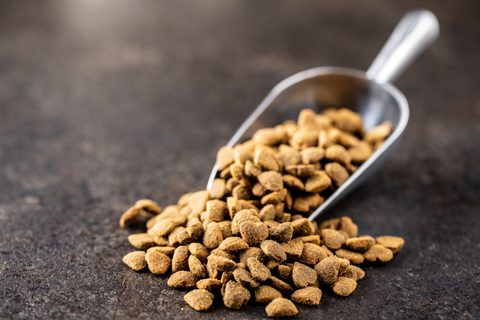
We saw strong interest in baking applications, particularly around protein functionality in extrusion. Enzymes can help modify protein structures to improve aeration, dough handling, and expansion during processing. The result? Better texture, improved crispness, and more consistent product quality in dry and cereal-style formats. It’s an exciting area where targeted enzyme solutions can directly enhance both process and product.


So, What’s Next?
Petfood Forum 2026 reinforced that the industry is not just evolving, it’s accelerating. Manufacturers are being asked to do more with less, meet higher standards, and deliver better products, faster.
That’s exactly where enzymes can make a difference.
At Biocatalysts, we see ourselves as more than a supplier. We’re a technical partner, working alongside our customers to solve challenges, optimise processes, and unlock new possibilities, often using what’s already in place.
Missed us in Kansas City? Let’s continue the conversation.